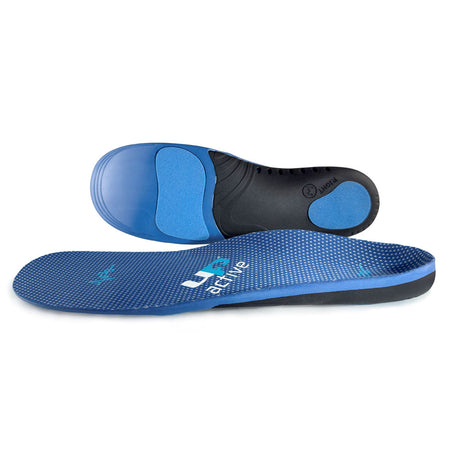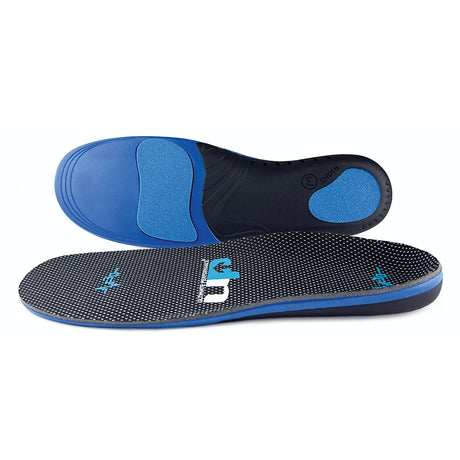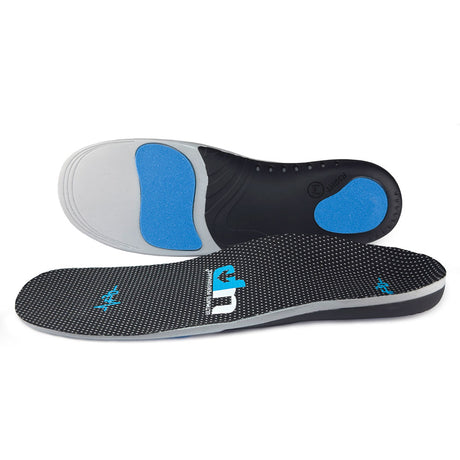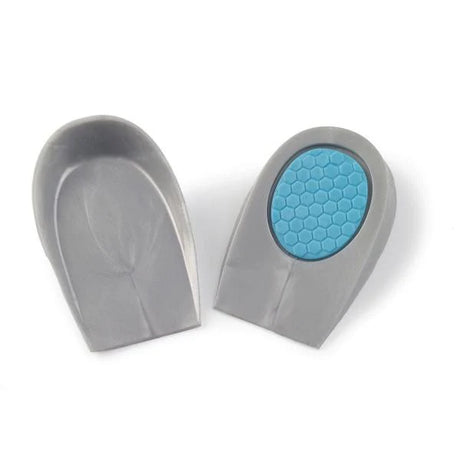

If you have high arch feet then choosing the right insole is just as important as it is for those with flat feet. Here's why the Ultimate Performance Cushion+ insole and the Active Cushion insole are best for high arched feet.

For individuals with high arches (also known as cavus foot), choosing the right insoles can significantly improve comfort and reduce the risk of foot-related issues. The best insoles for high arch feet must have the following features:
Cushioning
Cushioning is the most important feature of insoles for high arches. High arched feet are usually rigis and inflexible. Therefore, the foot is not able to absorb shock and impact naturally as nature intended. As a result, more shock and impact transmits through the foot increasing risk of injury.
High arches often lead to excess pressure on the ball and heel of the foot. Cushioning in these areas can provide extra comfort and shock absorption.
Arch Support
Even though your foot is not overponating or flattening, you still benefit from arch support. This supports your foot arch and helps distribute pressure more evenly across your feet.

Flexibility
While support is crucial, your insole should also have some flexibility to allow natural foot movement.
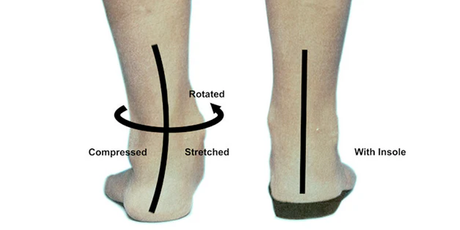
Deep Heel Cup
A deep heel cup provides additional stability and helps align your foot properly. This is especially important for high-arched feet that might tend to supinate (roll outward).
Breathability
Materials that allow air circulation help keep your feet dry and prevent issues like athlete's foot. Ultimate Performance insoles are made from 60% PU, 20% TPU, 13% F3D and 7% Polyester.
What injuries are high arched runners and athletes susceptible to?
Runners with high arches (pes cavus) tend to have reduced shock absorption, which puts extra load on bones and soft tissues. As a result, they’re more susceptible to:
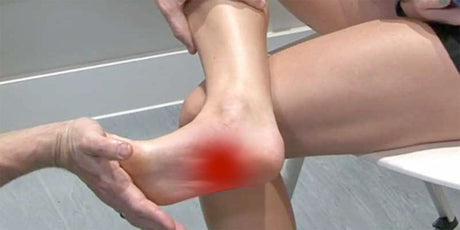
Plantar fasciitis
Because the arch is already high and tight, the plantar fascia takes more strain.
Metatarsal stress fractures
A rigid high-arched foot loads the forefoot heavily, especially the 2nd–4th metatarsals.
Ankle sprains (inversion)
High arches often come with a more “supinated” foot posture, making the ankle less stable.
Achilles tendinopathy
Reduced pronation means less natural shock absorption, increasing load on the Achilles.
IT band syndrome
A rigid foot can promote a straighter leg line, increasing lateral knee/hip stress.
Peroneal tendinopathy
These tendons work harder to stabilise the ankle in a supinated foot.
Conclusion
It's important to note that individual needs vary. What works best for one person might not be the best for another. The Ultimate Performance Cushion + insole is specially designed for athletes with high arched feet.
If you're experiencing foot pain or other issues, it might be beneficial to consult with a podiatrist who can provide personalised recommendations and even prescribe custom orthotics if necessary.